Generative Algae Strain Modeling & Carbon-Capturing Bio-Textile Simulator
Grow the color. Weave the carbon.
PhytoSynthetix simulates genetic edits in algae strains and predicts the color, strength and carbon capture of fabric woven from them, before anyone touches a petri dish.
Genetic edits
Under the microscope
Woven fabric
Predicted fabric
A simplified model with made-up coefficients, to show how the trade-offs work. Real strains need lab testing.
Algae make color, fiber and oxygen
Tiny algae cells can grow their own dye, build their own fiber and soak up carbon dioxide. The hard part is finding the strain that does all three well. We test the genetic edits in simulation first.
Choose
Set the color you want and the strength and carbon capture you need.
Simulate
The AI models gene edits and predicts how each one changes the cells.
Rank
See the trade-offs between color, strength and carbon capture side by side.
Weave
Take the best strains to the lab, and test them as real fabric.
The platform
Four tools in one digital lab.
Why PhytoSynthetix
Bio-textiles are promising, but strain development is slow and expensive.
Targets for experimental bio-fabrics, not guarantees. Real timelines depend on lab work.
Who we serve
Textile manufacturers
Explore living, dye-free fabrics without building a genetics lab.
Fashion and outdoor brands
Prototype low-carbon materials with a clear story and real numbers.
Biomaterials startups
Pick better strains faster, and spend lab time on the best candidates.
Universities and research labs
Run virtual experiments before the first culture is grown.
Get started
Most partners see their first ranked strains within a few weeks.
Share your goals
Tell us the colors, strength and carbon targets for your fabric.
Review ranked strains
We run the simulations and walk you through the best candidates and trade-offs.
Test in the lab
Take the top strains to a partner lab, and feed the results back to improve the model.
What partners say
“We found a blue strain that held its strength in a week of simulation. It would have taken us a year of cultures.”Dr. Anika Rao, Materials Lead, Verdure Textiles
“The trade-off view made it obvious why our first strain was so weak.”Leo Hartmann, Biofabric Engineer, Fieldmark Outdoor
“We use it to decide which experiments are worth running at all.”Dr. Mei Tanaka, Principal Investigator, Coastal Algae Lab
The team
Synthetic biologists, textile engineers and machine learning researchers.
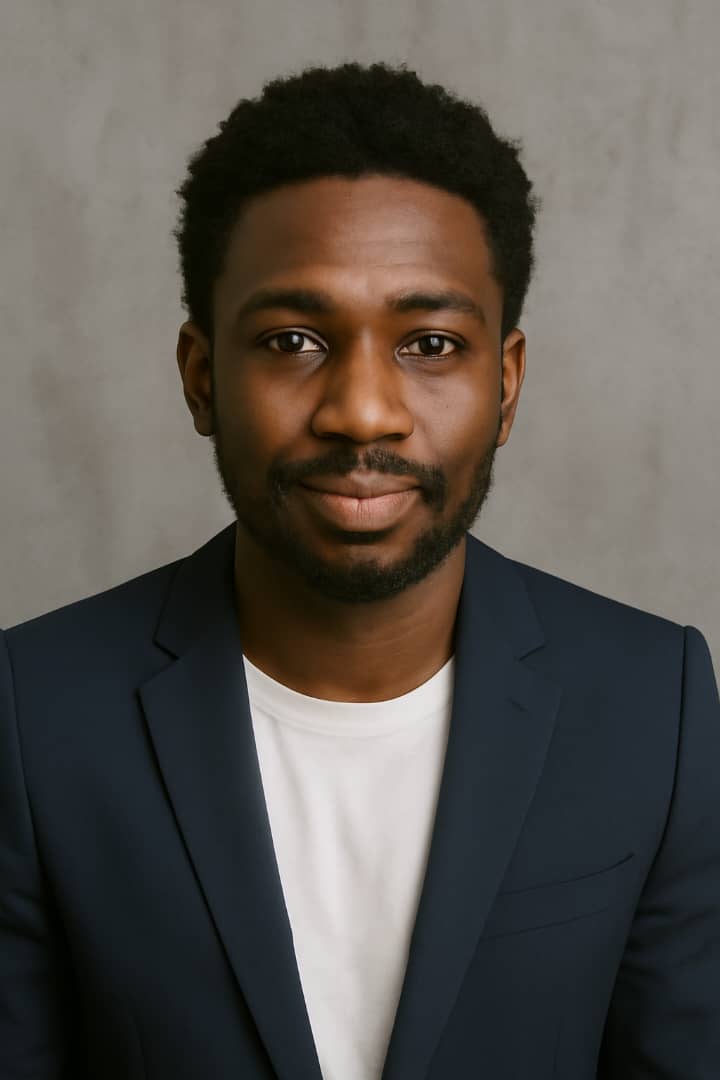
Samuel Idoko
CEO and co-founder. Synthetic biologist.
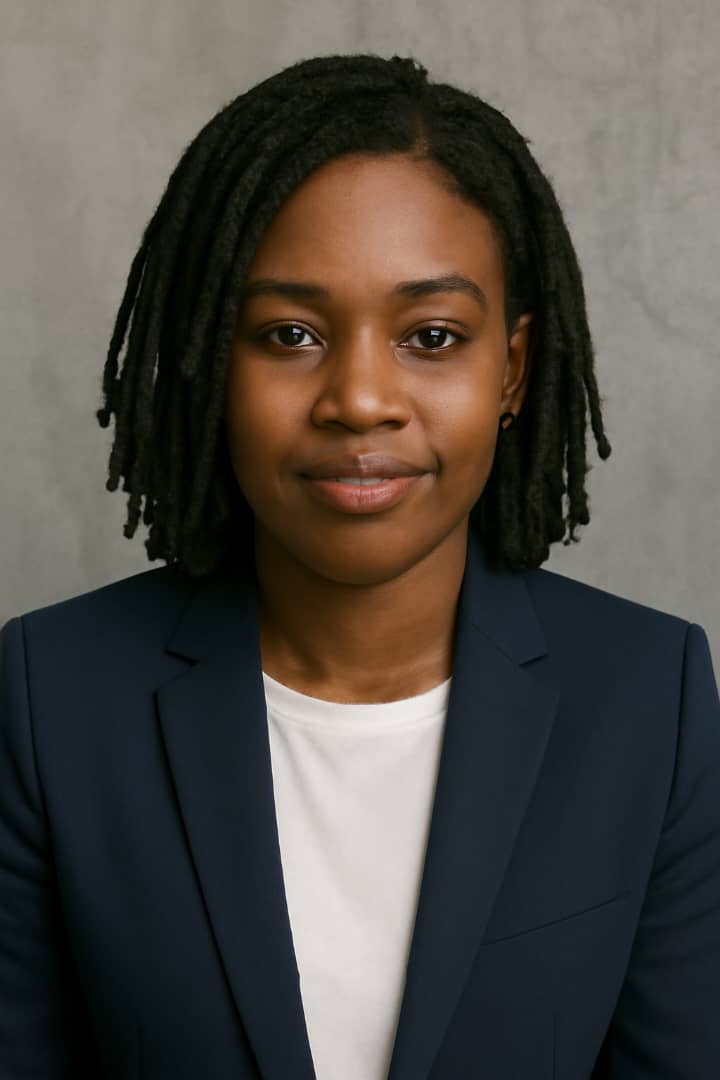
Ikechukwu Nwosu
CTO and co-founder. Machine learning.
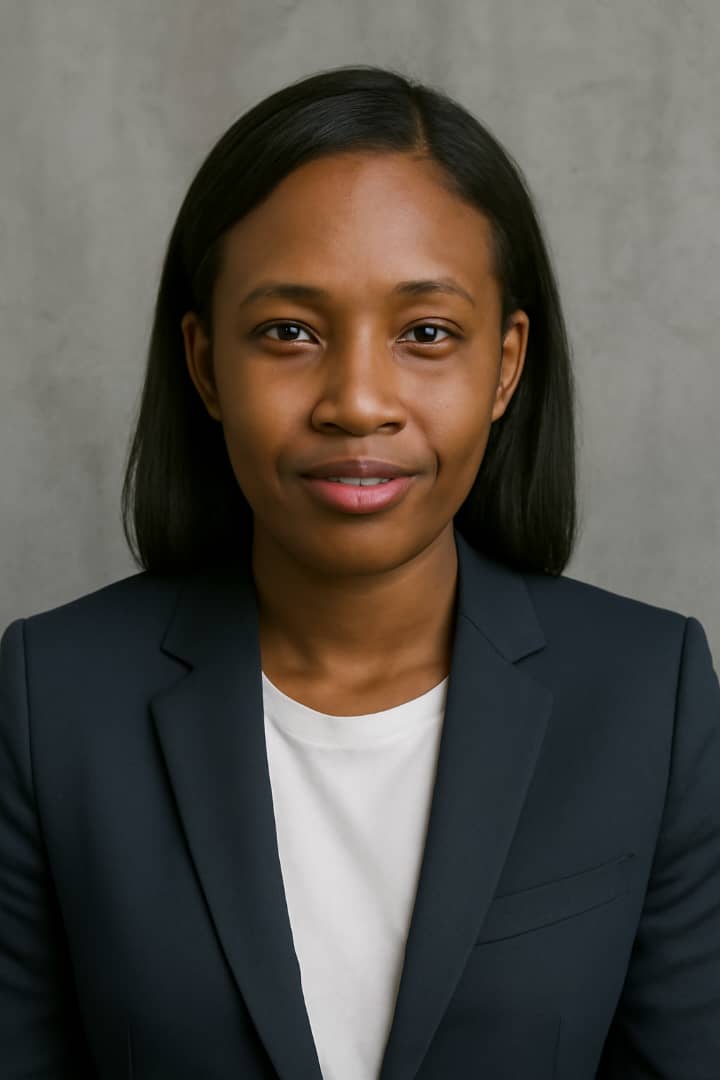
Dr. Binta Sulaiman
Head of Algal Genetics.
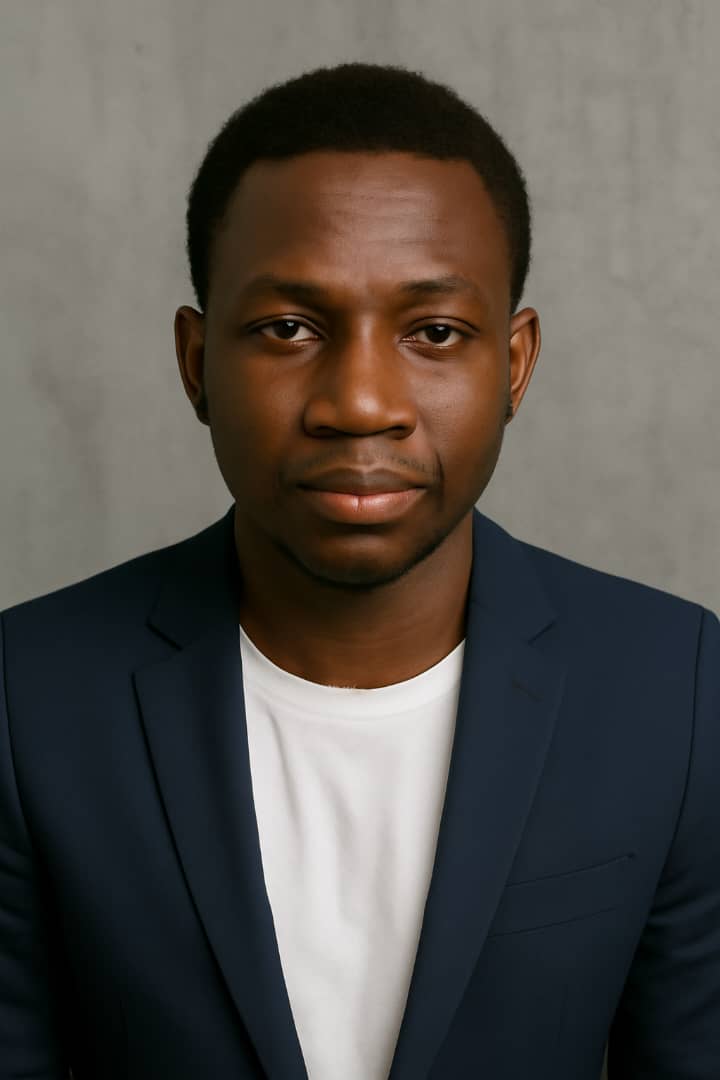
Olamide Akinola
VP, Textile Partnerships.
Questions
Are these fabrics real yet?
They are experimental. PhytoSynthetix narrows the search and predicts results, and every promising strain still needs lab growth, weaving and testing.
Are the algae genetically modified?
The simulated edits are genetic modifications. Real work with engineered algae follows biosafety and regulatory rules, with the cells contained and made inactive in the finished fabric.
How accurate are the predictions?
They improve as your lab results feed back into the model. We show the uncertainty for each strain, and treat predictions as a way to choose experiments.
Request a demo
Tell us about your fabric goals and we will reply within two working days.
Emailsamuel@phytosynthetix.com
AddressBehind Paul Epton Nursery and Primary School, Demekpe, Makurdi, Benue, NG
Ask for a sample strain report.